Premier Remodeling Service: Upgrade Your Space With Skilled Expertise
Choosing a top remodeling contractor is vital for refurbishing a space optimally. Proficient artistry can turn a vision into fruition, but not all contractors supply the same measure of quality. Likely clients should review essential traits that mark the best from the rest. Understanding these factors can lead to a more satisfying renovation experience. What should dwellers highlight to confirm their project exceeds expectations?
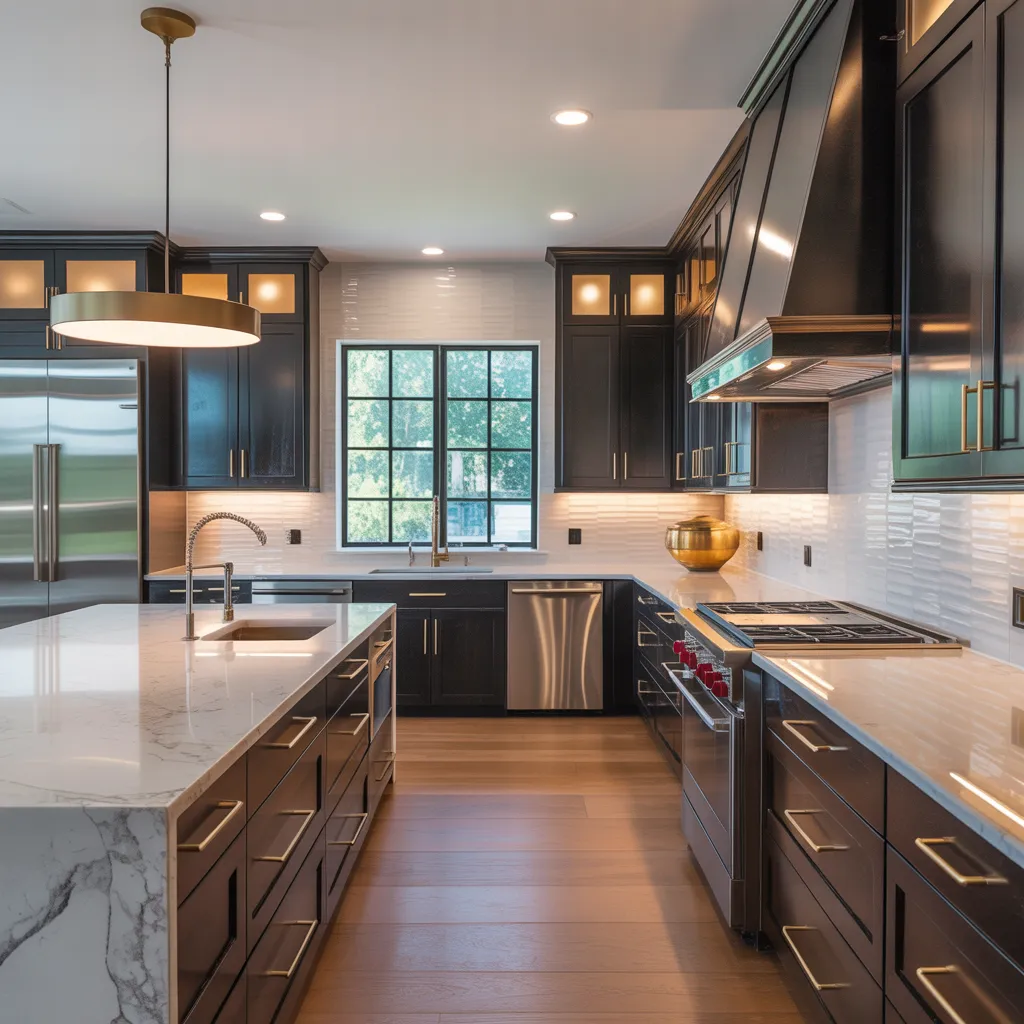
Why Deciding on the Best Home Renovation Contractor Is Vital
Selecting the right remodeling contractor can greatly impact the outcome of any home improvement project. A competent contractor not only provides knowledge and proficiency but also promotes effective communication and teamwork throughout the renovation timeline. This working relationship ensures that the homeowner's goals is properly converted into reality, minimizing misunderstandings and costly mistakes.
Additionally, a reputable contractor typically maintains solid partnerships with suppliers and subcontractors, which can result in better pricing and access to quality materials. Punctuality is another essential factor; a trustworthy contractor follows schedules, thereby minimizing project delays and inconvenience.
In opposition, selecting an novice or unqualified contractor can lead to subpar craftsmanship, cost increases, and extended timelines. Consequently, the importance of thorough choosing cannot be emphasized enough, as it ultimately determines the success, standard, and satisfaction derived from the completed project.
Key Traits to Identify in a Remodeling Contractor
When looking for a home improvement contractor, multiple important qualities can substantially affect the success of the project. Most importantly, strong communication abilities are essential, allowing for open dialogue about project goals and schedules. Trustworthiness is an important quality; a trustworthy contractor should reliably complete work on time and adhere to budgets.
Experience constitutes a vital element as well; a expert discover the information with a history of proven results in related projects can furnish valuable insights and innovative approaches. Additionally, meticulous detail orientation is imperative, confirming that both aesthetics and functionality are evaluated in the creation phase.
In closing, a impressive portfolio displaying previous work can generate confidence in the contractor's competencies. By focusing on these traits—communication, dependability, experience, precision, and a solid portfolio—homeowners can make thoughtful selections when selecting a remodeling contractor, ultimately bringing about a successful transformation of their space.
What Classes of Home Improvement Proposals Are Preferred?
Which types of home renovation projects draw homeowners' attention these days? Bathroom and kitchen renovations rank at the top, since these spaces greatly enhance both functionality and visual appeal. Homeowners regularly seek modern layouts, energy-efficient appliances, and premium materials. Open-concept living areas also continue favored, allowing for seamless shifts between spaces and fostering a more inviting atmosphere.
Outdoor social spaces are surging in demand, with components including decks, patios, and outdoor kitchens becoming indispensable for hosting events. Basements are undergoing modernization into multipurpose zones, functioning as home offices, gyms, or expanded living quarters. Moreover, sustainability-driven initiatives are on an upswing, with homeowners selecting eco-friendly solutions and designs.
Smart home technology integration remains increasingly sought after, giving homeowners the capability to oversee lighting, security, and climate control conveniently. Such remodeling trends indicate a yearning for improved living experience, personalized according to individual preferences and lifestyles.
Methods for Examining Prospective Contractors
Choosing the right remodeling contractor is a critical decision in ensuring a successful renovation project. To evaluate potential contractors, one should start by verifying their credentials, such as licenses and coverage. Verifying these credentials protects against legal responsibility and guarantees compliance with local regulations.
Next, analyzing galleries of past projects delivers perspective into the professional's methodology and craftsmanship. Client testimonials and references can present valuable outlooks on reliability and commitment. It is also critical to take into account the professional's experience in specific types of remodeling projects that match the homeowner's aspirations.
Furthermore, getting multiple quotes supports a thorough evaluation of fees and offerings. Transparent dialogue throughout the selection process shows competence and availability. Ultimately, identifying a contractor who corresponds with both project objectives and core values can considerably shape the final outcome of your renovation.
What Important Things Ought You Question Before Bringing On a Contractor?
Selecting a construction professional requires that you ask relevant inquiries that reveal their suitability. Important discussion points include their expertise and experience, in addition to their insurance and licensing details. Also, understanding the anticipated schedule and costs involved in the renovation will help ensure a smooth collaboration.
Experience and Expertise
Reviewing the background and expertise of a remodeling contractor is important for a smooth project. Homeowners should question the contractor's experience history, focusing on the remodeling fields they concentrate on. It's beneficial to request a portfolio presenting completed projects, as this gives insight into the contractor's craftsmanship and style choices. Furthermore, interested parties should look for references from previous clients to evaluate satisfaction and reliability. Understanding the contractor's project organization techniques, timelines, and communication styles can further clarify their expertise. Lastly, discussing any ongoing training or certifications can indicate a commitment to professional development with industry trends and techniques, guaranteeing a high-quality outcome for the remodeling assignment.
Licensing and Protection
Ensuring a remodeling contractor holds the appropriate licensing and insurance is crucial for safeguarding both the homeowner and the quality of the project. Homeowners should inquire about the contractor’s licensing, verifying it complies with local regulations and industry standards. A valid license shows that the contractor has met required qualifications and has the required skills. Additionally, insurance is important; it safeguards against potential liabilities, such as accidents or property damage during the remodel. Homeowners should request proof of insurance coverage, including general liability and worker’s compensation. This verification not only mitigates risk but also fosters trust in the contractor’s professionalism. Overall, thorough checks on licensing and insurance are critical steps in the hiring process for a remodeling contractor.
Initiative Timetable and Related Expenditures
A clear comprehension of the project timeline and costs is essential for homeowners before hiring a remodeling contractor. Homeowners should inquire about the estimated duration of the project, including important checkpoints and potential delays. It is vital to ask for a detailed breakdown of costs, including materials, labor, and any extra fees that may arise.
Contractors should offer a clear payment schedule, outlining when payments are due and the conditions for each phase of the project. Homeowners should also discuss any contingencies for unforeseen issues that might impact both timeline and budget. By addressing these elements upfront, homeowners can choose wisely and reduce confusion, guaranteeing a smoother remodeling experience.
Planning Your Home Remodeling Budget
How can property owners manage funds successfully for a renovation undertaking? A structured budget is essential for keeping costs controlled. First, property owners should create a clear vision of their project, outlining specific objectives and expected results. Next, they should research prices for materials and workforce in their area to develop projections that are realistic. It's advisable to reserve an extra 10-20% of the overall budget for unexpected costs, which can frequently occur during renovations.
Managing finances for expenses is vital; homeowners must differentiate between must-haves and nice-to-haves, permitting adjustments if needed. Speaking with a reliable remodeling contractor can deliver insights into financial reductions and economical alternatives. Furthermore, homeowners should stay adaptable and open to adjustments throughout the undertaking, as this willingness to adapt can lead to a more successful outcome. In summary, deliberate preparation and intentional cost management can significantly improve the remodeling experience.
Strategies for a Hassle-free Remodeling Journey
In any construction undertaking, open dialogue between property owners and builders is essential in achieving positive outcomes. Creating achievable schedules from the onset assists in controlling expectations and reduces stress throughout the process. By focusing on these factors, homeowners can establish a more efficient and pleasant remodeling journey.
Direct interaction is fundamental
Effective dialogue serves as the backbone of a successful renovation undertaking. A transparent exchange of ideas between the homeowner and builder guarantees that goals align from the outset. Frequent updates and touchpoints assist in tackle issues before they intensify, creating a cooperative environment. Homeowners should articulate their vision, financial parameters, and priorities explicitly, while builders must deliver transparent timelines and progress reports. Employing visual aids, such as sketches or samples, can additionally enhance understanding. Furthermore, creating a primary point of contact reduces misunderstandings and simplifies dialogue. By prioritizing clarity, both parties can handle challenges effectively, leading to a easier remodeling experience. Ultimately, honest dialogue builds confidence and satisfaction, guaranteeing the undertaking meets the property owner's goals.
Create Reasonable Timelines Early
Setting realistic schedules is a vital aspect of organizing a remodeling undertaking. Property owners should collaborate with their builder to create a clear schedule that considers various phases, comprising planning, permits, and construction. Understanding that unexpected obstacles might arise, like postponements in supply shipment or weather interruptions,
Common Questions Asked Often
How long will my remodeling project usually take to complete?
A construction project may take anywhere from a few weeks to several months, contingent upon the scope, complication, and size of the project. Well-organized planning and transparent communication can help streamline the timeline considerably.
What Protections Do Renovation Professionals Commonly Offer?
Remodeling contractors generally provide guarantees ranging from one to ten years, covering craftsmanship and supplies. These guarantees ensure safeguard against defects, giving homeowners confidence concerning the quality and longevity of their renovations.
Can I see examples of past Projects?
Most remodeling contractors present portfolios highlighting earlier projects. These illustrations regularly include photographs and client testimonials, offering insights into their craftsmanship and design, helping potential prospects envision the contractor's capabilities and work quality.
How Do You Manage Unforeseen Problems During Renovation?
The contractor addresses unexpected issues by performing comprehensive evaluations, maintaining open communication with clients, and employing creative problem-solving strategies. This proactive approach guarantees quick solutions while minimizing delays and maintaining project quality throughout the remodeling process.
Will I Need to Acquire Permits for My Project?
Yes, securing permits is often required for renovation projects. Rules differ by location and project scope, so it is critical to review local building codes and work with professionals to maintain compliance and avoid potential fines.